

In this topic
- Shut off the water at the main valve.
- Turn off power to wet rooms if you can do it safely.
- Take photos and video before cleaning up.
Water spreads fast. Within minutes it runs under flooring and baseboards; within hours drywall wicks it up; within a day or two mold can start. You don't need to fix everything, just stop it getting worse.
This topic is part of our complete guide to water damage restoration. The articles for this topic are listed at the end of the page.
The first hour, step by step
- Stop the water. Close the valve at the fixture or the main shut-off.
- Cut the power to affected rooms at the breaker, if you can reach it without standing in water.
- Move valuables, electronics, rugs and paper out of the water.
- Photograph and film the source, the water line and damaged items.
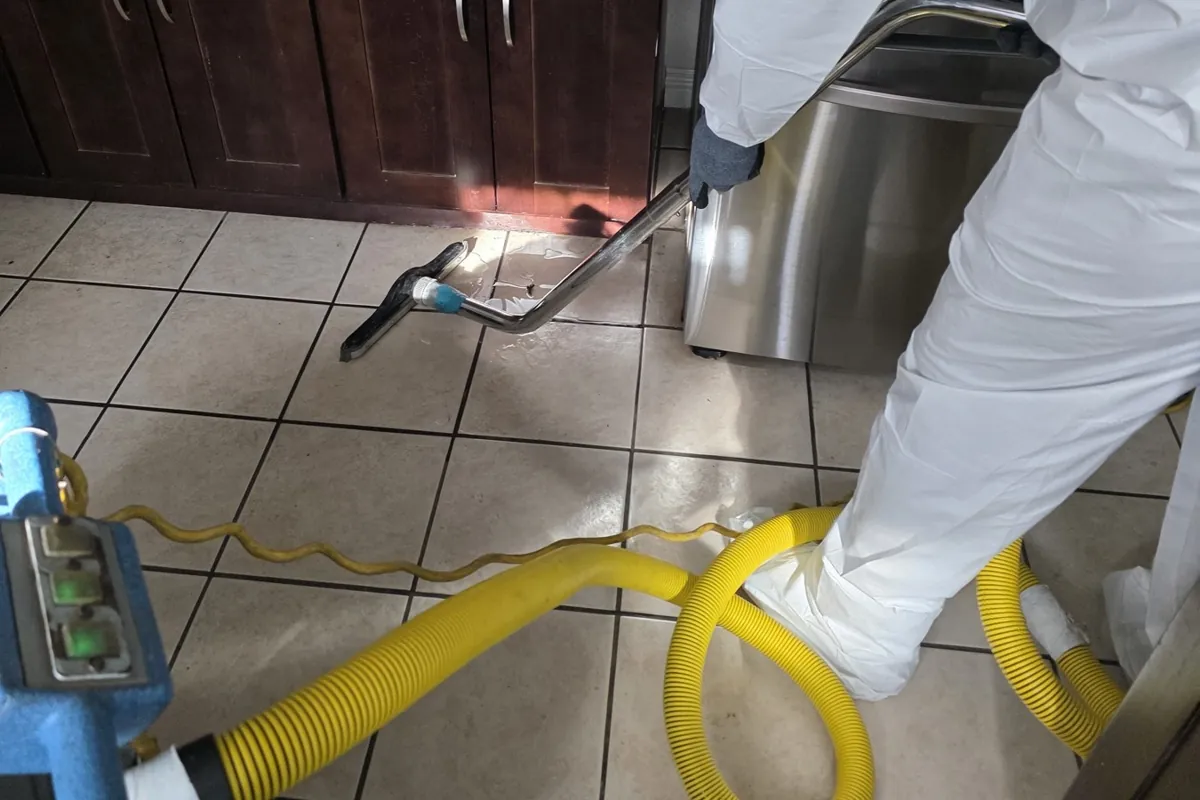
- Soak up what you can with towels and a wet/dry vacuum.
- Call a restoration crew for extraction and moisture readings.
- Call your insurer to open a claim.
What to avoid
- Using a household vacuum on water.
- Walking on wet ceilings or under sagging drywall.
- Turning on ceiling lights or fans in wet rooms.
- Throwing out damaged items before the adjuster has seen them or you have photos.
- Waiting to see if it dries on its own.
All 16 articles in this topic
0 published · 16 coming soon- What Should You Do in the First Hour After Water Damage?Coming soon
- Should You Shut Off the Main Water Valve During a Leak?Coming soon
- Is It Safe to Turn On Electricity After Water Damage?Coming soon
- What Should You Remove From a Flooded Room Immediately?Coming soon
- How Fast Should You Call a Restoration Company After a Leak?Coming soon
- What Happens During an Emergency Water Damage Inspection?Coming soon
- Should You Try to Vacuum Standing Water Yourself?Coming soon
- What Documents Should You Photograph Before Cleanup Starts?Coming soon
- Is It Safe to Walk Through Standing Floodwater?Coming soon
- What Should You Do If Water Damage Happens Overnight?Coming soon
- How Do You Stop a Leak Before Help Arrives?Coming soon
- What Should Renters Do When Water Damage Occurs?Coming soon
- Should You Open Windows After Water Damage?Coming soon
- What Items Are Not Salvageable After Water Damage?Coming soon
- How Do You Protect Electronics During a Flood Emergency?Coming soon
- What Should You Do if a Fire Sprinkler Discharges Accidentally and Causes Water Damage?Coming soon
Water in your home right now?
A local crew can be on site in about 45 minutes, 24/7, and we document everything for your insurer.