
 AI job photo
Stay out of affected areas
Keep kids and pets away. Do not walk through it, and do not run fans that spread the air around.
Sewage backup or leak
Sewage is Category 3 black water, carrying bacteria, viruses and parasites. Our hazmat-trained technicians and plumbers arrive together, stop the source, remove what is contaminated and disinfect everything else.
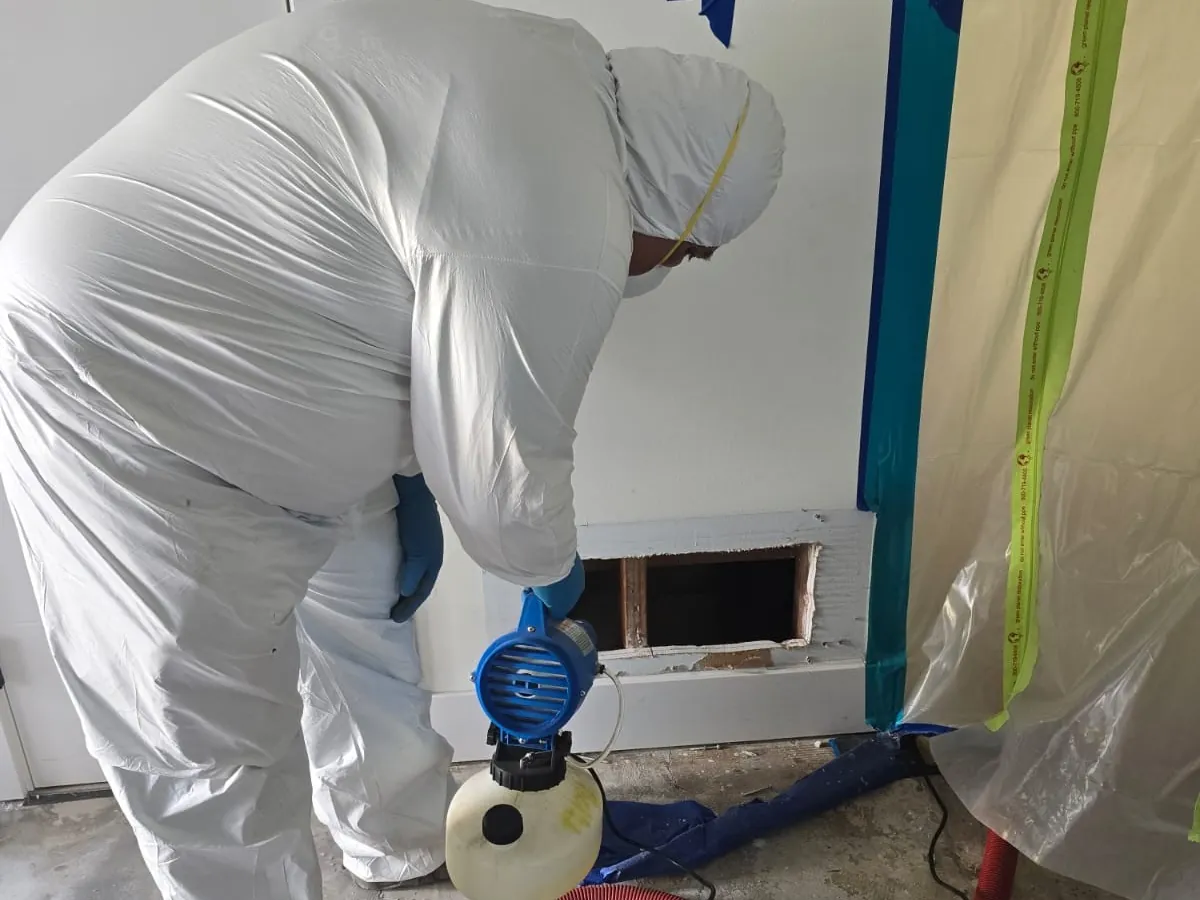
Local crews across Southern California, Florida, Washington and Nevada
Black water cleanup
When a sewer line backs up or a toilet overflows with waste, everything the water touches is contaminated: drywall, insulation, carpet, pad and the subfloor underneath. Pathogens in sewage can make people seriously sick, and porous materials cannot be cleaned back to safe.
We dispatch restoration technicians and plumbers together, so the backup gets fixed while the cleanup starts. Then we extract, remove contaminated materials, disinfect every surface the water reached and rebuild.
Sewage and electricity are a dangerous mix. Kill the breaker if you can do it without walking through the water.
Tell us what happened. We'll take it from here.
Sewage on the floor right now? Call (800) 719-4808 for the fastest dispatch.
Your information is secure and never shared.
Steps to take after a sewage leak
Your job is to stay safe until we get there. Leave the cleanup to people in protective gear.
AI job photoKeep kids and pets away. Do not walk through it, and do not run fans that spread the air around.
 AI job photo
Shut the breakers to affected rooms if you can reach the panel safely, to avoid shock hazards.
 AI job photo
Technicians and a plumber are dispatched together, typically on site within 45 minutes.
Our sewage cleanup process
Every step follows OSHA and EPA guidelines so the space is safe for you and your family when we leave.
Industrial-strength pumps and vacuums remove the standing sewage water.
Hazmat technicians remove and dispose of contaminated drywall, insulation and flooring.
Every affected surface is disinfected and dried to stop bacteria, mold and mildew.
We rebuild what was removed so the room goes back to normal use.
What can be saved
Sewage changes the salvage rules. Here is how we decide, material by material.
| After sewage contact | Why | |
|---|---|---|
| Carpet & pad | Removed and replaced | Fibers and foam absorb pathogens and cannot be disinfected. |
| Drywall & insulation | Cut out above the water line | Porous materials wick contamination up the wall. |
| Tile, stone & concrete | Cleaned and disinfected | Non-porous surfaces can be restored to sanitary. |
| Wood framing & subfloor | Cleaned, treated, dried, tested | Kept when it can be disinfected and dried to standard. |
| Upholstered furniture | Usually replaced | Stuffing holds contamination deep inside. |
| Hard furniture & contents | Assessed item by item | Metal, glass and sealed items often clean up well. |
Your adjuster will want to see the removed materials documented. We photograph and log everything before it goes.
Common sources
 AI job photo
Roots, grease and wipes block the line to the street and push waste back up the lowest drain.
 AI job photo
Storm water overloads municipal sewers and forces sewage back into homes.
 AI job photo
A blocked toilet with waste in it counts as Category 3, even if it seems minor.
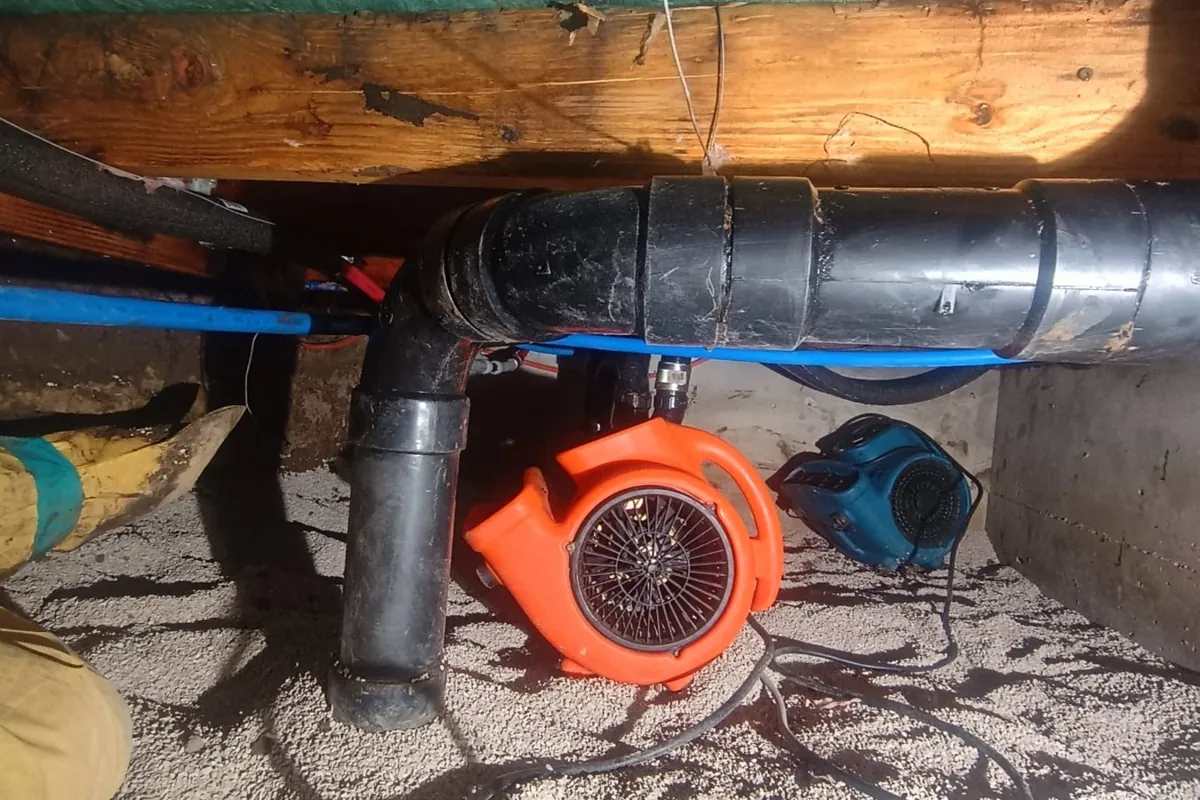 AI job photo
A cracked drain line under the house can leak for weeks before anyone smells it.
Why choose Green Planet Restoration
Crews and plumbers go out together and usually arrive within 45 minutes.
Technicians photograph and video the job as they go, for invoicing and your insurer.
Bonded, licensed and insured, with workers compensation on every technician.
 Featured video
Featured video
Water spreads into drywall, subfloors and cabinets within hours. This short video shows what our crews do first and why speed matters.
Now showing: The True Cost of Water Damage | Fast Response Restoration by Green Planet Restoration
Case studies
Real jobs, start to finish: what we found, what we did and how it turned out.
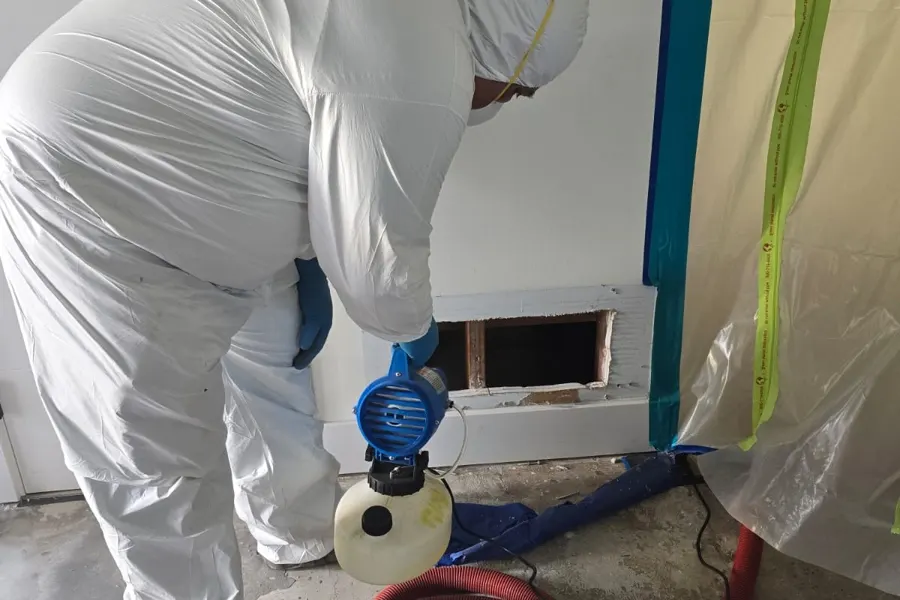
Sample scenario
A root-clogged main line pushed sewage up through the tub and toilet. We contained the room, removed affected drywall and flooring and disinfected before drying.

Sample scenario
A cracked sewer line under the house soaked the soil and insulation. Everything contaminated came out, the area was treated and dried with air movers.
 AI job photo
Sample scenario · South Florida
An upstairs toilet overflowed into the living room below. Ceiling drywall and insulation came down, framing was cleaned and the room was rebuilt.
Frequently asked questions
It carries bacteria, viruses and parasites that can cause serious illness. The IICRC classifies it as Category 3, the most contaminated class of water damage, which requires protective gear and removal of porous materials.
We do not recommend it. Even a small overflow soaks into grout, baseboards and drywall. Without protective equipment and hospital-grade disinfectants, you risk exposure and leaving contamination behind.
Many standard policies need a sewer backup endorsement for coverage. Check your policy and call your insurer early. We document everything with photos and video to support the claim either way.
Extraction and removal of contaminated materials usually happen on the first day. Drying and disinfection take a few more days, and rebuilding depends on how much drywall and flooring came out.
Stay out of affected areas. If the backup is in a main living area, a bathroom you need, or anyone in the home is very young, elderly or immune-compromised, it is safer to stay elsewhere until we finish.
Yes. Plumbers are part of the same dispatch, so the cause gets repaired while the cleanup starts, and the backup does not repeat.
Technicians and plumbers dispatched together, 24/7.
Where we work
Local crews in four states, each with its own team, trucks and direct line. Pick your region to find the closest branch.
See all locations or call (800) 719-4808, 24/7
Mold and structural damage can start within 24 to 48 hours of water exposure. Get a free estimate and immediate dispatch.