
Alternaria
Alternaria
Found in: showers, under sinks, damp window frames.
Fast-growing and a common asthma and allergy trigger.
Contain, remove, fix the moisture
Musty smell? Dark spots on the wall?
Mold is a moisture problem first. We test to find out what's growing and where, contain it so it can't spread, remove it, fix the moisture that fed it, and test again to prove it's gone.
Local crews across Southern California, Florida, Washington and Nevada
Certified mold remediation
Mold grows where water sits: basements, crawl spaces, bathrooms, under sinks and inside walls that took on a leak months ago. By the time you see spots or smell something musty, it has usually spread further than the stain.
Our certified technicians use moisture meters, thermal cameras and air sampling to map the whole problem before we touch anything. Then we remove it under containment and fix the source, whether that's a slow leak, poor ventilation or high humidity.
Disturbing it sends spores into the air. Close the door, shut the vents to that room and call us.
Free inspection and consultation, usually within 45 minutes.
Large or spreading growth? Call (800) 719-4808 and we will prioritize it.
Your information is secure and never shared.
Know what you are dealing with
Some molds mostly trigger allergies. Others produce mycotoxins. We identify the species during testing because it changes how we contain and remove it.
Found in: showers, under sinks, damp window frames.
Fast-growing and a common asthma and allergy trigger.
Contain, remove, fix the moisture
Found in: fabrics, carpet, wood surfaces.
Grows in warm and cold rooms. Triggers allergies and asthma.
HEPA clean, treat, dry
Found in: water-damaged drywall and insulation.
Spreads quickly after leaks. Linked to respiratory problems.
Remove porous materials
Found in: HVAC, dust, damp building materials.
Can cause infections in people with weak immune systems.
Full containment and air scrubbing
Found in: constantly wet drywall, hidden leaks.
Produces mycotoxins. The one to take most seriously.
Strict containment, PPE, disposal
Our mold remediation process
Six stages, following EPA and IICRC guidelines, before a single wall gets opened.
We map moisture and take air and surface samples to measure spore levels.
Lab results tell us which molds are present and how aggressive the protocol needs to be.
We trace the water feeding the growth. If it stays, the mold comes back.
We map every affected area so the plan covers hidden growth, not just the visible patch.
The work area gets sealed and put under negative pressure so spores can't escape.
Air scrubbers run throughout the job, capturing spores the removal releases.
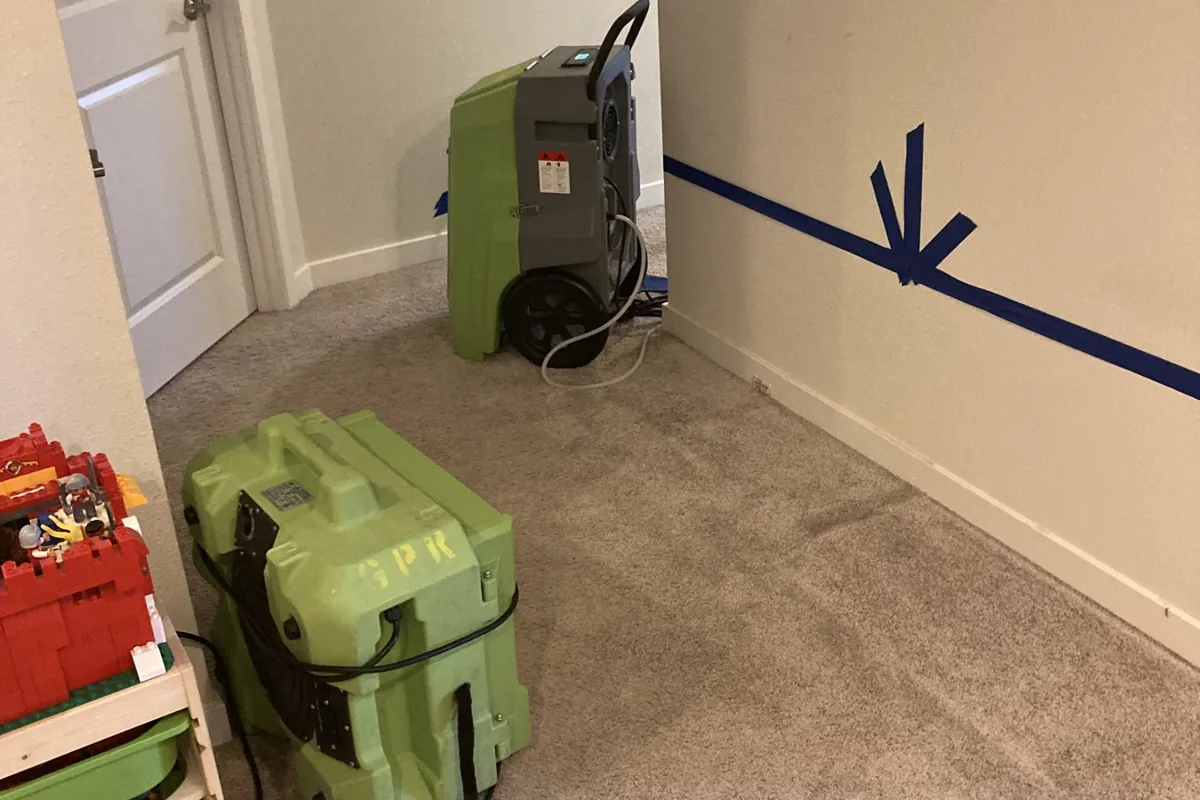
Mold remediation equipment
Containment is the part of mold work you never see in DIY videos. It is also the part that keeps the rest of the house clean while the moldy materials come out.

Pull air into the containment through HEPA filters, so spores can only move one way: out through the filter.
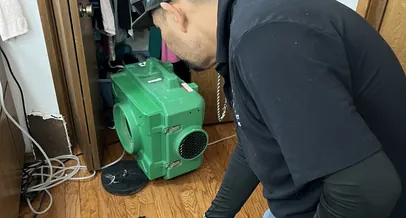
Capture 99.97% of particles at 0.3 microns, including mold spores, for the whole job.

Find wet drywall, framing and subfloor that are feeding growth you cannot see.
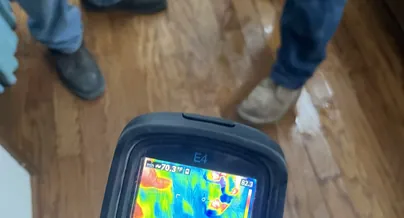
Temperature differences reveal hidden moisture behind walls and ceilings without opening them up.
Removal vs. remediation
Plenty of companies sell mold removal. What you actually need is remediation.
| Full remediation (what we do) | Surface removal only | |
|---|---|---|
| Testing | Air and surface samples before and after | Usually none |
| Containment | Sealed work area under negative air pressure | None, spores spread through the house |
| Hidden growth | Found with meters and thermal imaging | Missed until it shows up again |
| Porous materials | Moldy drywall, insulation and carpet removed | Sprayed and painted over |
| Moisture source | Leak, ventilation or humidity fixed | Left in place |
| Proof it worked | Post-remediation air quality test | Your word against the smell |
Small patches on non-porous surfaces (under about ten square feet) can sometimes be cleaned yourself with the right protection. Black mold, porous materials or anyone in the home with breathing problems means call a professional.
Prevention
Mold needs water. Take the water away and spores in the air have nothing to grow on.
 AI job photo
Even a slow drip under a sink feeds mold inside the cabinet and the wall behind it.
 AI job photo
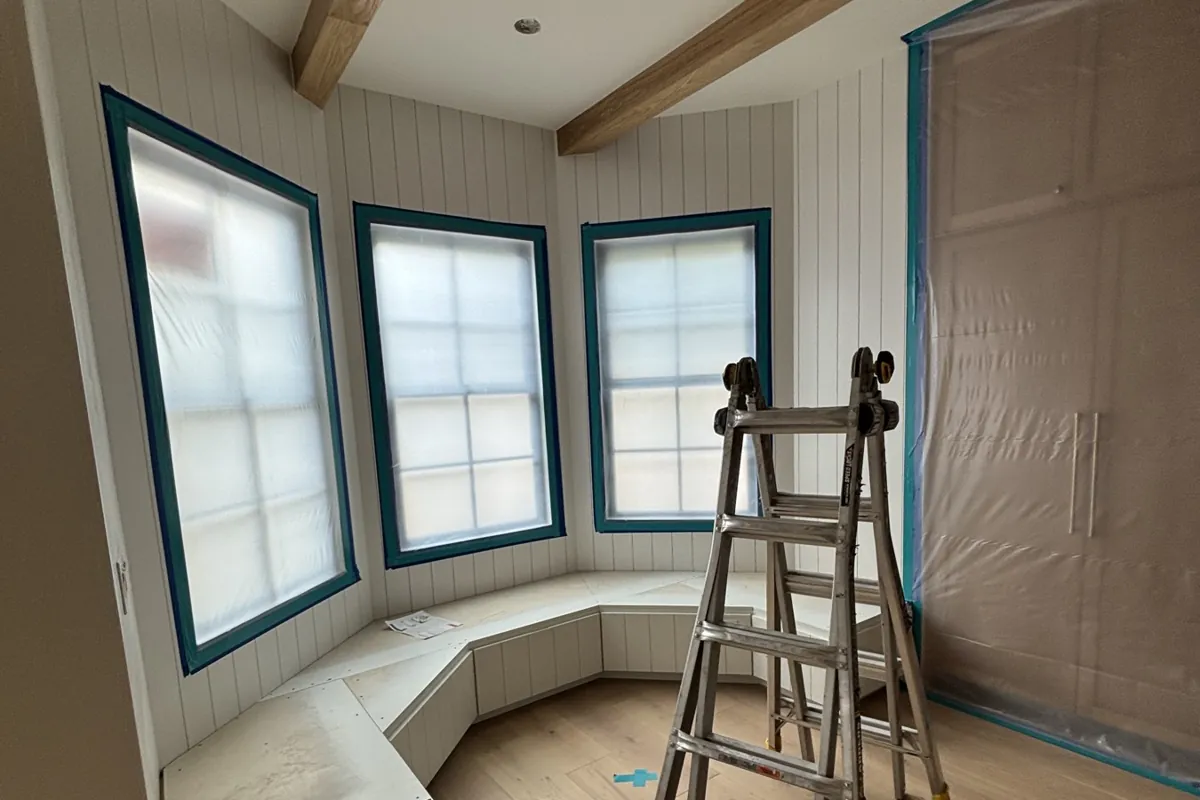
Run exhaust fans during and after showers and cooking, and vent the dryer outside.
 AI job photo
Keep indoor humidity under 50%, especially in basements and crawl spaces.
 AI job photo
Skip carpet in bathrooms and basements, and dry anything that gets soaked within 24 to 48 hours.
 Featured video
Featured video
Mold grows behind walls and under floors long before it shows. This video covers the warning signs and how our crews test for it and remove it.
Now showing: Certified Mold Remediation & Air Quality Specialists | 24/7 Emergency Service
Case studies
Real jobs, start to finish: what we found, what we did and how it turned out.
Sample scenario · Greater Seattle
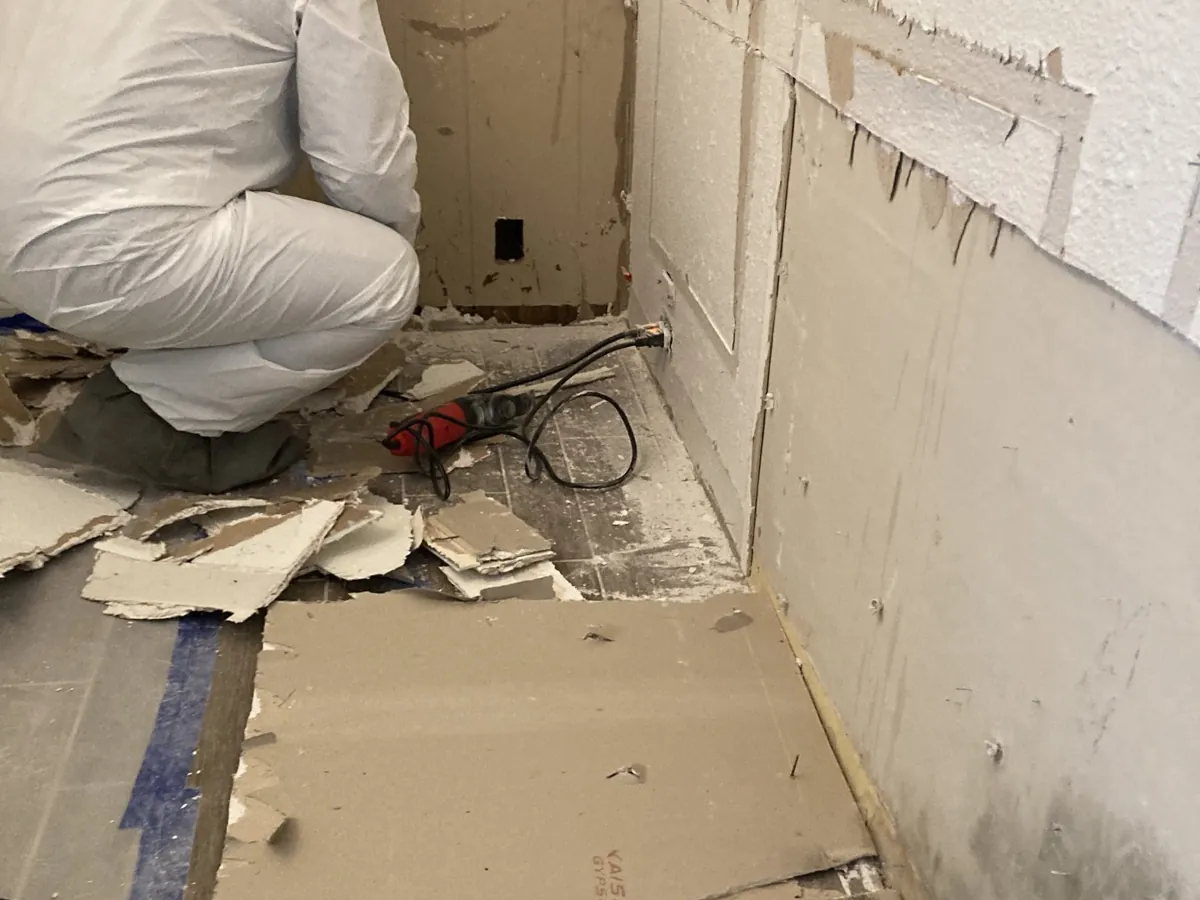
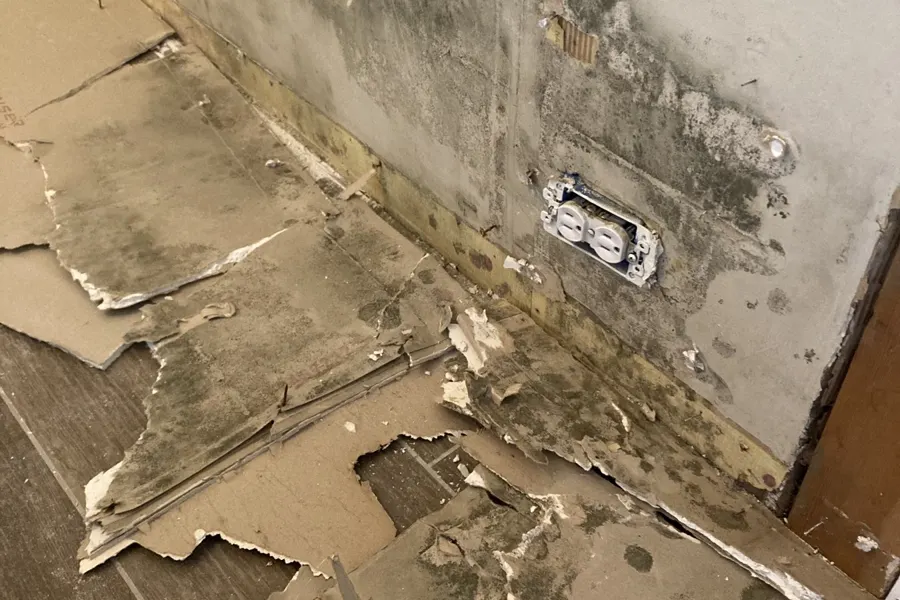
A slow shower valve leak fed mold inside the wall for months. We sealed the room in containment, cut out the affected drywall, HEPA vacuumed and cleared it with post testing.
Sample scenario · Greater Seattle
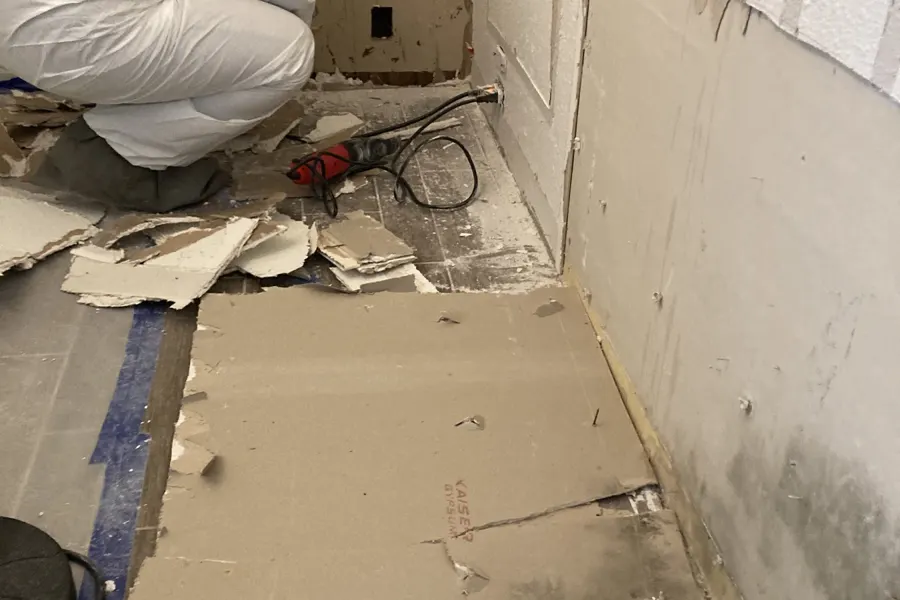
A water loss that was never dried properly left mold at the base of the walls. Affected drywall came out under negative air before the rebuild.

Sample scenario
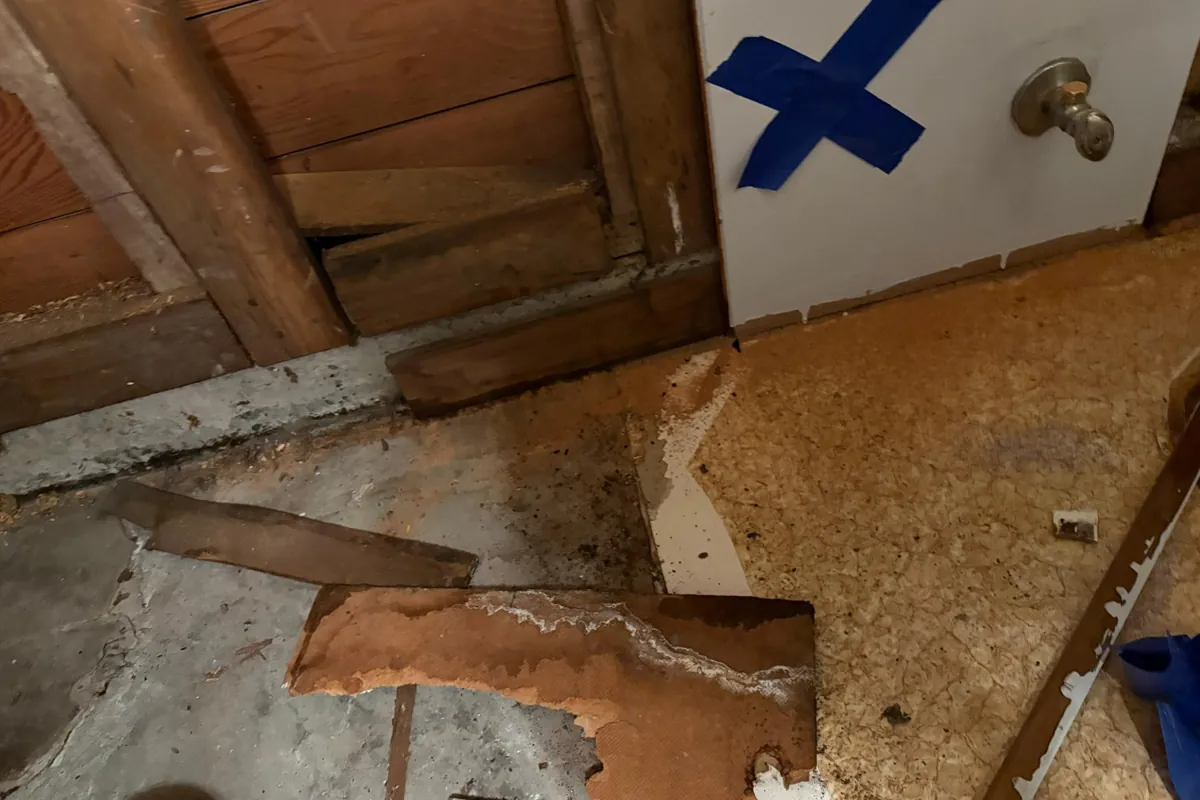
Humidity and a leaking window left mold on the pad and subfloor. We removed the pad, treated the wood and dried the room before new flooring went in.
Frequently asked questions
A musty smell that cleaning does not fix, dark or fuzzy spots, water stains, peeling paint, warped flooring, and allergy or breathing symptoms that ease when you leave the house.
Stachybotrys produces mycotoxins, and long exposure is linked to respiratory problems, fatigue and headaches. Children, older adults and anyone with asthma or a weakened immune system are most at risk. It gets strict containment and disposal.
Moisture meters and thermal cameras find damp areas, air sampling pumps collect spores inside and outside the property, and surface samples identify the species. After remediation, we test again to confirm spore levels are back to normal.
Removal takes away visible growth. Remediation also contains the area, filters the air, removes contaminated materials, fixes the moisture source and verifies the result with testing. We provide full remediation.
Small patches on tile or glass, maybe. Anything on drywall, insulation or carpet, anything larger than about ten square feet, or any black mold should be handled with containment and HEPA filtration.
Not if the moisture source is fixed. Spores exist everywhere, but they only grow with water. We repair the leak, ventilation or humidity problem and apply antimicrobial treatment before we close up.
It depends on the cause. Mold from a sudden covered event like a burst pipe is often covered with that claim. Mold from long-term humidity or neglected leaks usually is not, and many policies cap mold coverage. We document everything for your adjuster.
One to two days for a single bathroom or cabinet, three to five days for a full room or crawl space, and one to two weeks or more for multiple rooms or widespread black mold.
Free inspection. Air testing. Written remediation plan.
Where we work
Local crews in four states, each with its own team, trucks and direct line. Pick your region to find the closest branch.
See all locations or call (800) 719-4808, 24/7
Mold and structural damage can start within 24 to 48 hours of water exposure. Get a free estimate and immediate dispatch.