

In this topic
- Fast drying after a leak is the best mold prevention.
- Floodwater and firefighting water both leave materials wet.
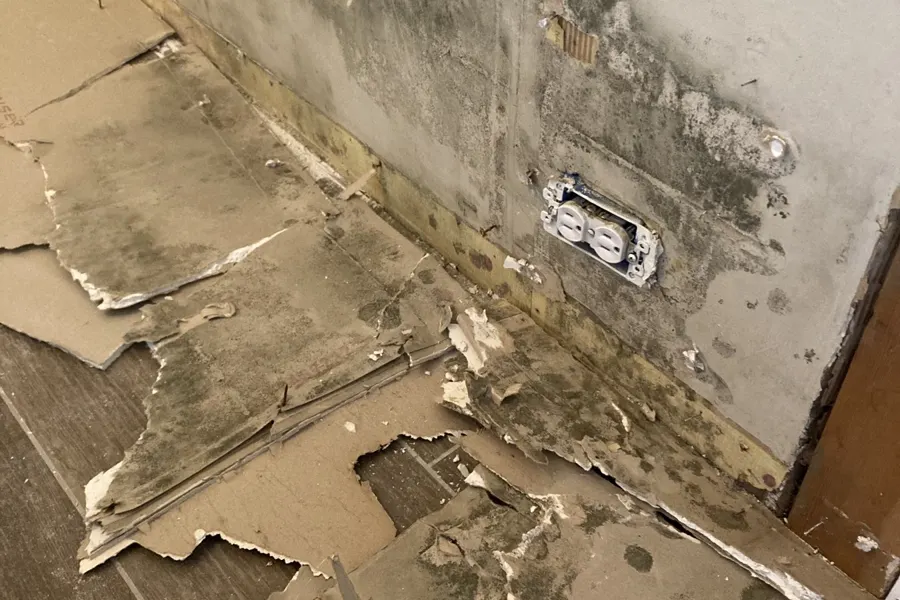
- Closing walls before they are dry traps moisture.
Most mold we remediate started as water damage that wasn't found or wasn't dried completely.
This topic is part of our complete guide to mold remediation. The articles for this topic are listed at the end of the page.
After water damage
- Start drying within 24 to 48 hours.
- Use moisture readings, not touch, to decide when it is dry.
- Remove soaked porous materials that can't be dried quickly.
- Watch for musty smells in the weeks after a leak.
See the water damage guide.
After a fire
Firefighting water soaks walls, floors and contents, and a smoke-damaged home is often closed up and left while claims are sorted out. That combination grows mold. Drying has to happen alongside the smoke cleanup. See fire damage cleanup.
All 15 articles in this topic
0 published · 15 coming soon- How Quickly Does Mold Grow After Water Damage?Coming soon
- What Are the Health Risks of Mold From Water Damage?Coming soon
- How Do You Know If Water Damage Has Caused Hidden Mold?Coming soon
- What Is the Difference Between Mold Remediation and Restoration?Coming soon
- Can Mold Return After Professional Remediation?Coming soon
- What Symptoms Indicate Mold Exposure in a Home?Coming soon
- How Do Restoration Companies Test for Mold After a Leak?Coming soon
- What Areas of a Home Are Most Prone to Mold After Flooding?Coming soon
- Why Is Black Mold Considered Dangerous?Coming soon
- How Does Humidity Contribute to Mold Growth Indoors?Coming soon
- What Is the Process for Safely Removing Moldy Drywall?Coming soon
- Can You Live in a House During Mold Remediation?Coming soon
- What Precautions Protect Children From Mold After Flooding?Coming soon
- How Do You Prevent Mold After a Water Damage Event?Coming soon
- What Is Cross-Contamination During Mold Remediation?Coming soon
Mold showing up after a leak or fire?
A local crew can be on site in about 45 minutes, 24/7, and we document everything for your insurer.