

In this topic
- Coverage usually follows the cause of the moisture.
- Many policies cap mold coverage at a set dollar amount.
- Report water damage quickly to protect mold coverage.
Insurers ask one main question: what caused the moisture, and when? A burst pipe found and reported quickly is very different from a leak that ran for months.
This topic is part of our complete guide to mold remediation. The articles for this topic are listed at the end of the page.
Typical coverage patterns
- Often covered: mold resulting from a sudden, covered water loss.
- Often excluded: mold from gradual leaks, high humidity, condensation or neglect.
- Often limited: a separate mold sub-limit, sometimes a few thousand dollars.
Supporting a claim
- Report water damage promptly.
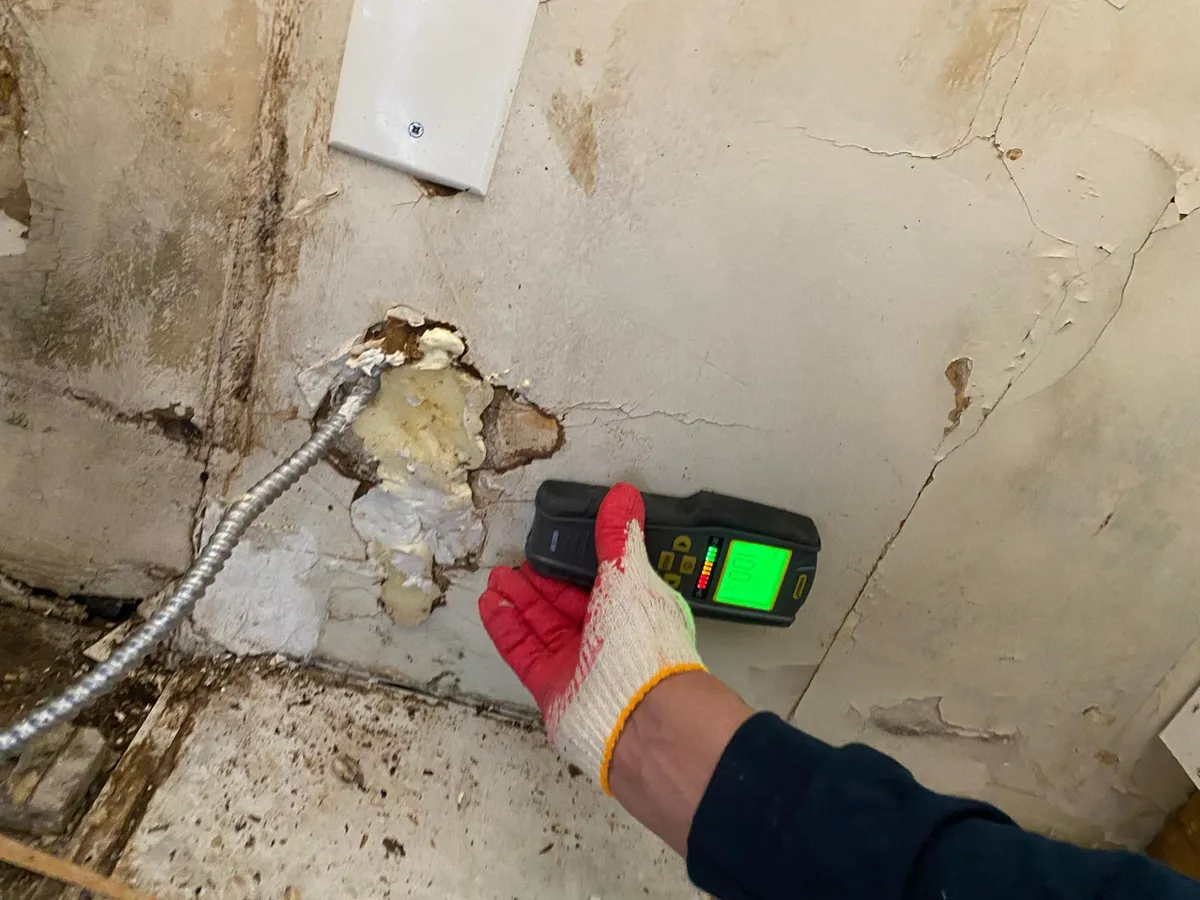
- Keep photos, moisture readings and the drying log.
- Get a written remediation scope.
- Keep receipts for testing and temporary housing.
We document every job for adjusters. See insurance billing.
All 8 articles in this topic
0 published · 8 coming soon- Does Homeowners Insurance Cover Mold Damage?Coming soon
- What Types of Mold Damage Are Not Covered by Insurance?Coming soon
- How Do You File a Mold Damage Insurance Claim?Coming soon
- Why Do Most Insurance Policies Have Mold Coverage Caps?Coming soon
- Does Insurance Cover Mold Caused by a Covered Water Damage Event?Coming soon
- What Documentation Do Insurance Adjusters Require for Mold Claims?Coming soon
- Can You Purchase Additional Mold Coverage as an Endorsement?Coming soon
- Why Do Mold Claims Get Denied More Often Than Water Damage Claims?Coming soon
Filing a claim that includes mold?
A local crew can be on site in about 45 minutes, 24/7, and we document everything for your insurer.