

In this topic
- Common reactions include sneezing, congestion, itchy eyes and coughing.
- People with asthma, allergies or weak immune systems are more sensitive.
- Remediation removes the source; a doctor handles the symptoms.
We are a restoration company, not doctors. What we can say is what health agencies publish and what we see: symptoms often improve once the moisture and growth are removed.
This topic is part of our complete guide to mold remediation. The articles for this topic are listed at the end of the page.
Who is most affected
- People with allergies or asthma.
- Infants and young children.
- Older adults.
- People with weakened immune systems or chronic lung conditions.
What to do
- Talk to a doctor about symptoms.
- Don't disturb large areas of mold yourself.
- Keep the area closed off until it is remediated.
- Fix the moisture source.
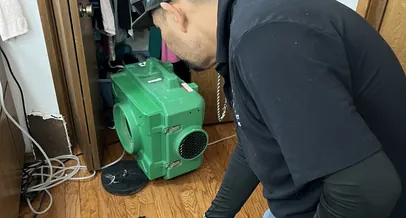
During remediation we use containment and HEPA air filtration to keep spores out of the rest of the house.
All 11 articles in this topic
0 published · 11 coming soon- What Are the Symptoms of Mold Exposure?Coming soon
- Can Mold Exposure Cause Respiratory Problems?Coming soon
- How Does Mold Exposure Affect Children Differently Than Adults?Coming soon
- What Are the Symptoms of Black Mold Exposure Specifically?Coming soon
- Can Mold Cause Skin Irritation or Rashes?Coming soon
- How Long Does It Take for Mold Symptoms to Appear After Exposure?Coming soon
- Can Long-Term Mold Exposure Cause Chronic Illness?Coming soon
- How Does Mold Affect People With Allergies or Asthma?Coming soon
- Can Pets Be Affected by Mold Exposure in the Home?Coming soon
- What Is Mold Toxicity and How Is It Diagnosed?Coming soon
- Should You See a Doctor If You Suspect Mold Exposure?Coming soon
Worried about mold in your home?
A local crew can be on site in about 45 minutes, 24/7, and we document everything for your insurer.